Senior Sunrise
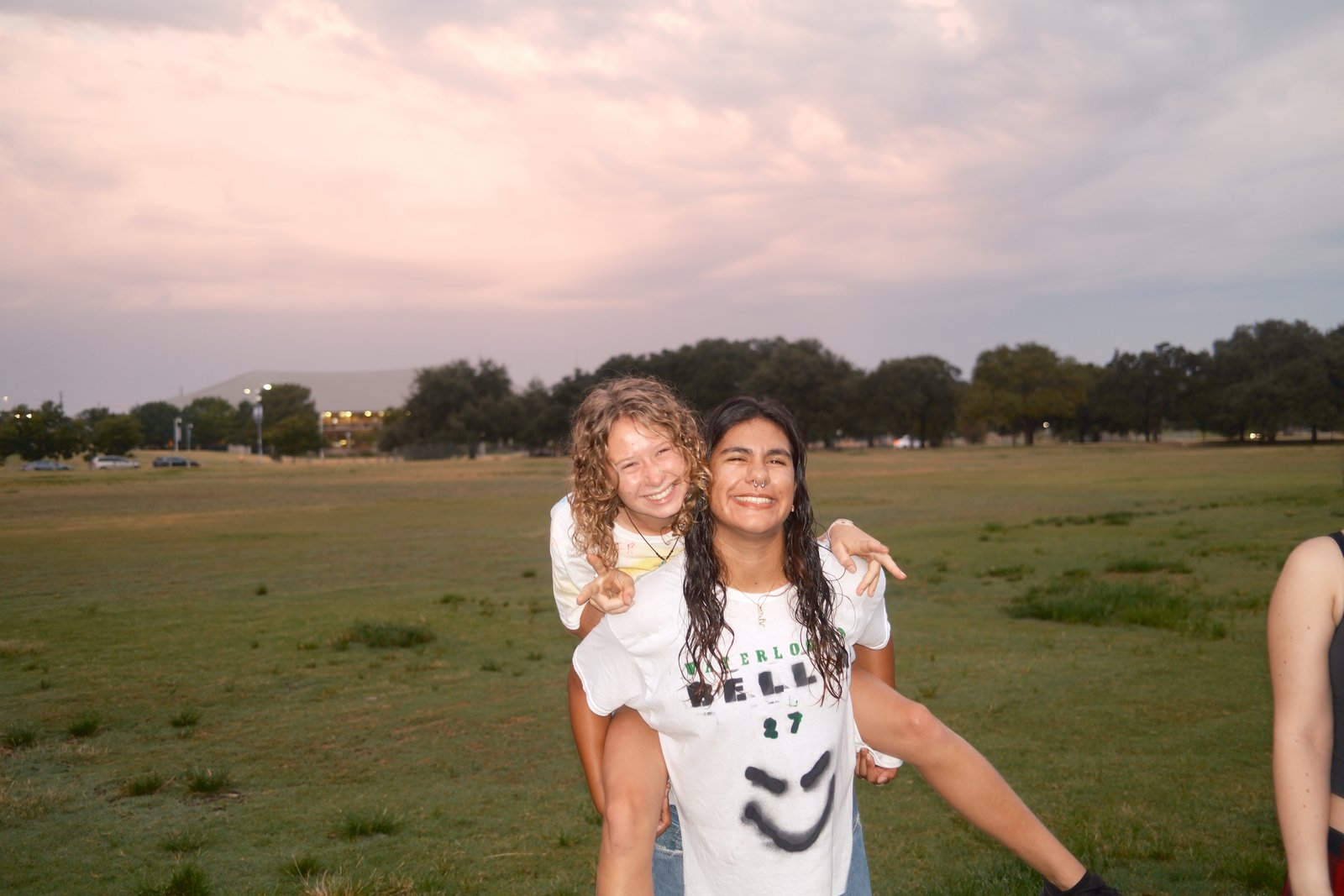
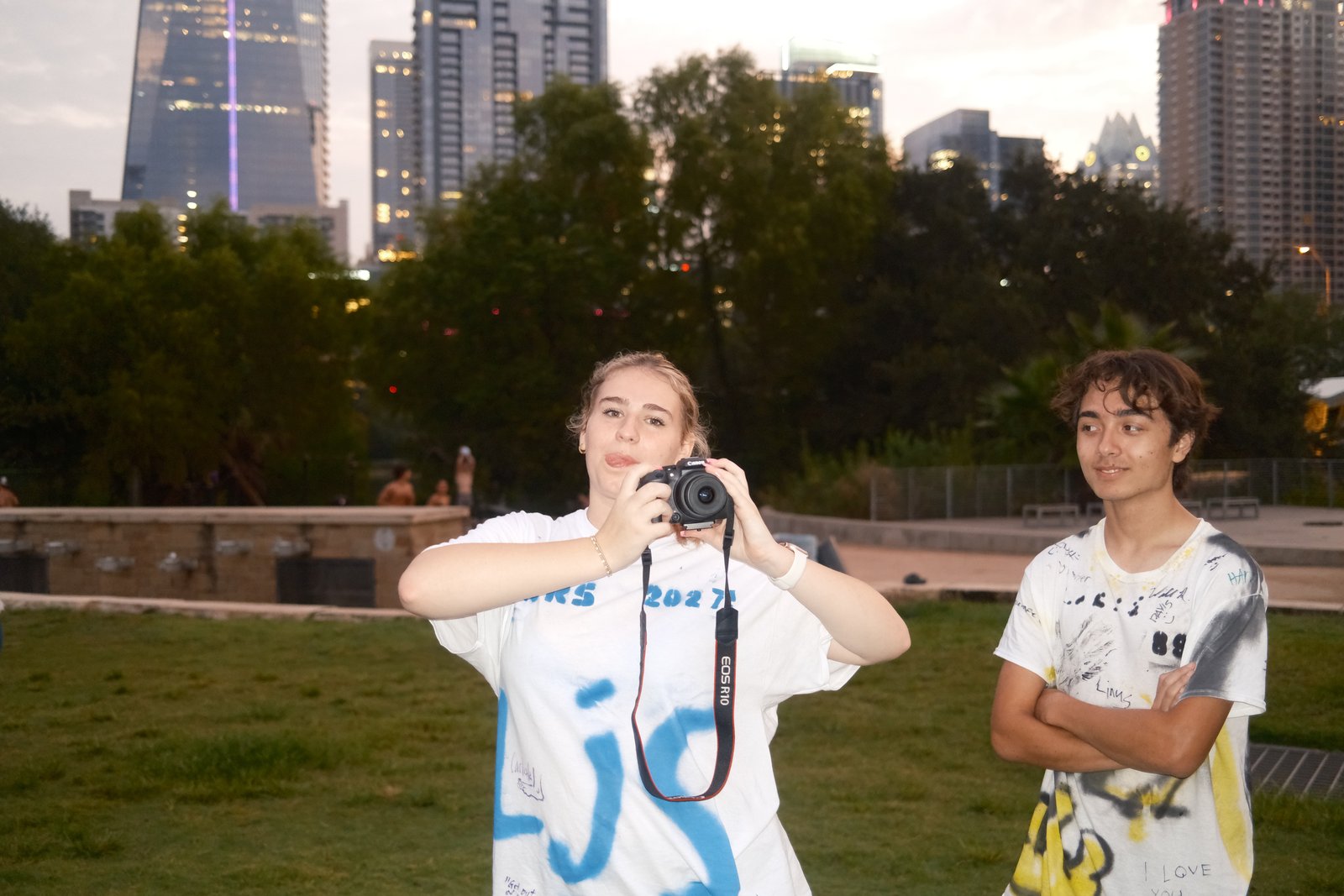
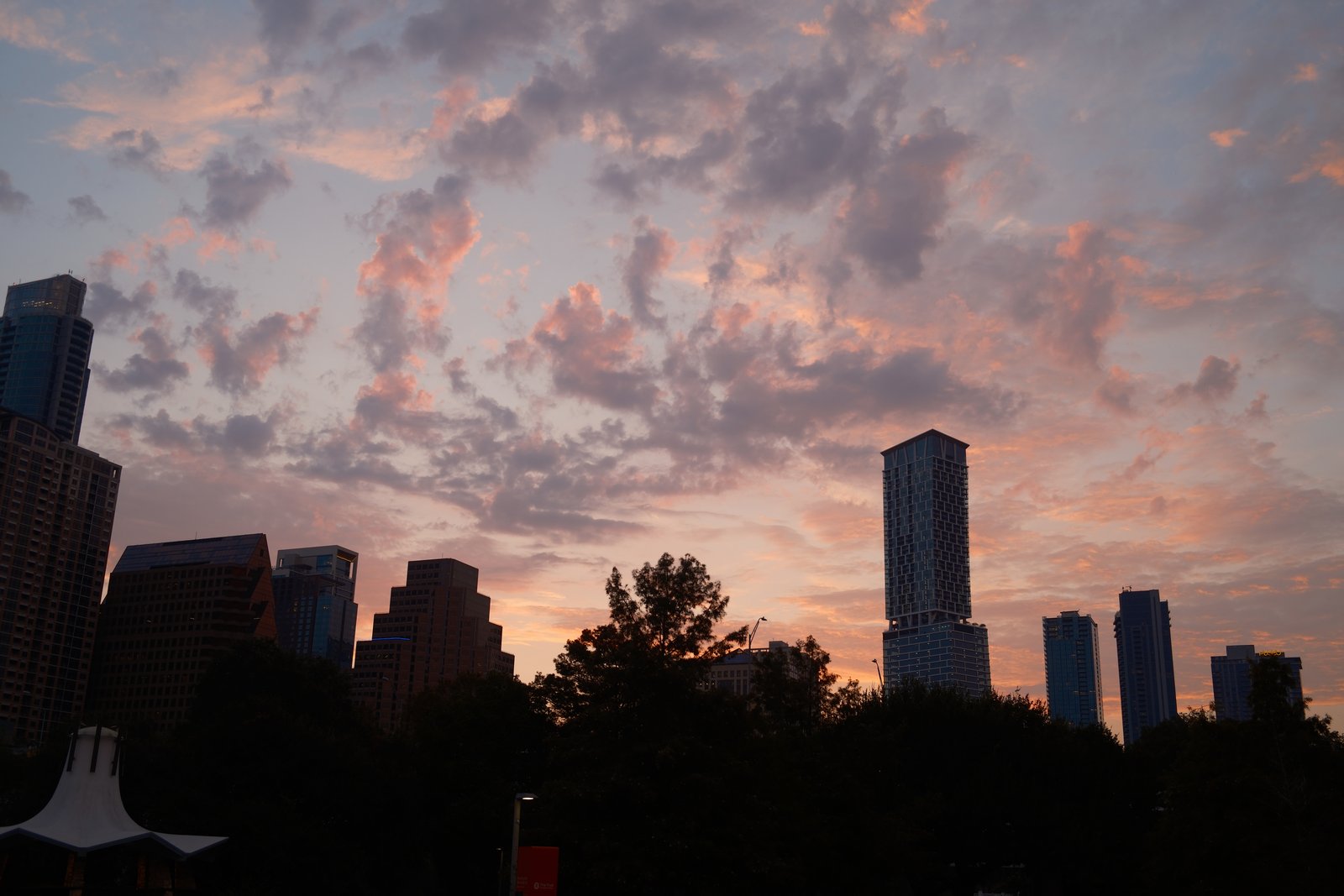
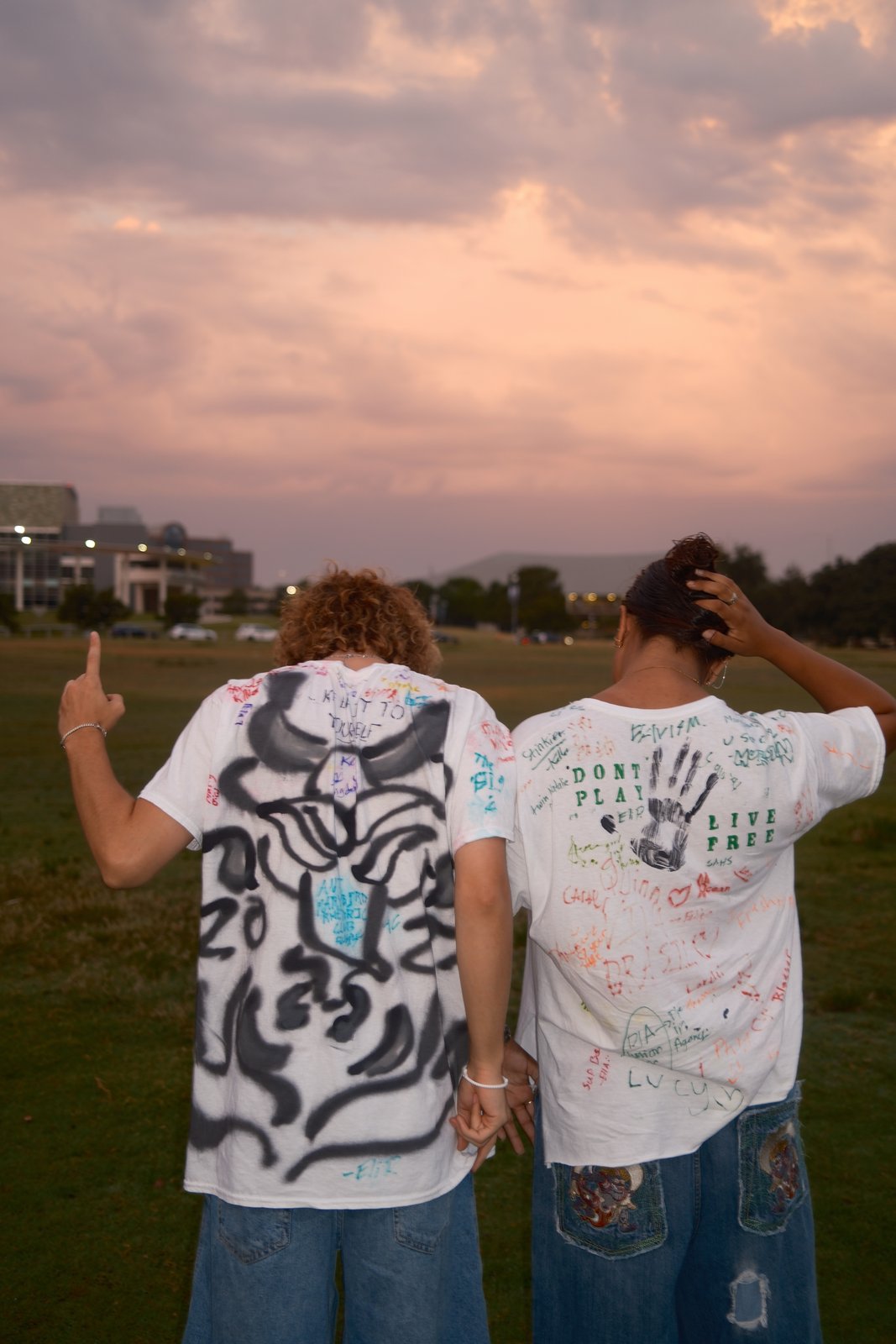
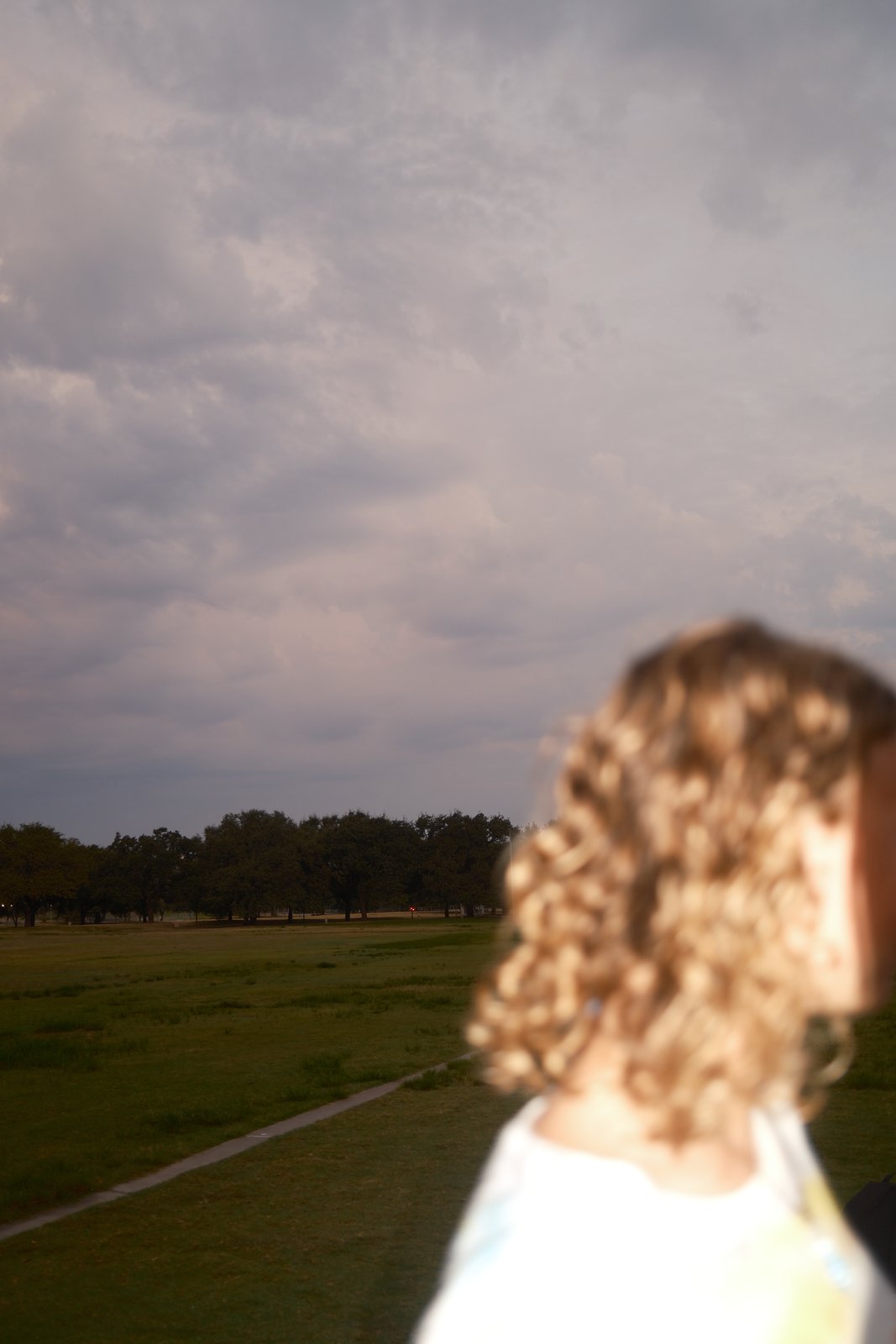
SLT was able to plan a meetup for the first Friday of the school year to commemorate our class. I got to take some photos there!

approaching societal conversation through writing, photography, and civic engagement
R. Davis Martin is a zealous citizen from Austin, TX.
Nothing here yet.
I have always loved the way art can move people- ways that can’t be replicated anywhere else in the mind. It is my goal to make a true difference with whatever I have the ability to make.
-
This page is dedicated to be a digital showcase of what I can make visually.
-
Most recently, I was able to develop a gallery of photos (taken from late 2025 to late 2026) with the homeless community in my school’s neighborhood. These were accompanied by a physical gallery and speech, given in May 2026. I am so so proud of this project, and am excited to continue to work with my neighbors when making art and in building a stronger community. Some highlights from the gallery are below.
SLT was able to plan a meetup for the first Friday of the school year to commemorate our class. I got to take some photos there!
*This article references a now public domain short story titled “There Will Come Soft Rains” by Ray Bradbury, written on May 6th, 1950. The copy I reference is here. For comprehension purposes (to avoid spoilers, and also to enjoy this beautiful story), I would love for you to read the story beforehand. Themes from Bradbury’s “Fahrenheit 451” are also referenced.*
It was a dreary afternoon in 2022 when my eighth-grade history teacher passed around grainy black-and-white copies from a book, article, or newspaper— which of those I was unsure— printed into seventeen packets, one for each student in the room. The fluorescence of the classroom highlighted my feint shadow onto the paper passed onto my desk, and without much question I began to read the story; the one printed onto those packets. As you can assume, the story was Ray Bradbury’s “There Will Come Soft Rains.” Written in a style reminiscent of a fairy-tale, it accounted a home located in California during the unclear events of an alternate 2026. The home featured ‘futuristic’ technology; it could talk and sing, cook food on its own, and clean itself— a home alien to its 1950s readers. They were reading from the comfort of a time without the harm that takes place in the story. The harm, being, of course, nuclear holocaust. The home Bradbury describes is the last of its kind in Allendale, California; as the rest of the city was destroyed the day prior by nuclear bombings. The story, set as I write this article, takes place on August 4th, 2026. This is how I found myself reading it again yesterday. My teacher used the story to call the nuclear paranoia that shrouded the mid-twentieth century to attention— to make it tangible. Even in 2022 the timeline of this story felt far away. 2026 was a far-off time, I had no plans for then, no feelings towards imagining it being blown into nothingness. It was very similar for the readers when it was first published; it made room for them to imagine this story without casting as much of a personal bias. There definitely still was one, as the events in the story look and read as a ‘futuristic’ 1950s. The family that once lived in the home were the 50’s ideal— a father, mother, two children (boy and girl of course), and a dog. That was before they were blown out of existence on the morning on August 3rd, 2026. The story references that their shadows can still be seen, the next day, in the soot plastered onto one side of the house.
So now, as I read the story again, this time on the day it takes place, I feel a lot different. I have grown sense then, I am seventeen, a senior in high school, and I live with my family in the close-in suburbs of the tenth largest city in The States. I do, in fact, live among devices that talk to me, clean for me, and can even think for me. My country is in fact at war; one that is only ramping up. What can we, as modern Americans, take from this story? It seems to be as much of a warning now as it was back in the fifties.
What makes the majority of Bradbury’s science fiction so unsettling is the fact that he writes about the ways America’s perfect bubble can either violently pop, suffocate us, or do both simultaneously. In 2026, we see firsthand, through a haze of dopamine deficiency and propaganda, the ways our governments can silence their citizens using technology that the twentieth century could only dream about. Slowly, bubbles are popping. The dreams we had for a coexistence with these technologies are becoming less and less plausible, and we watch it all unfold as we open Instagram. The internet now still makes some sense, but Bradbury wrote that eventually the noise would stop being as defined as the internet once was and will consume its users head-on with indefinite content. The numbing world of Fahrenheit 451 is not far out anymore. The side effects seen there from extreme content consumption follow our modern day’s exactly: ADHD, depression, dysmorphia, suicide.
In the 1950 short story, Bradbury gives us a different view into dystopia. It shows how the bountiful amenities Americans benefitted off of in the 1950s can be distracting. Prosperity is fleeting, and anyone who had lived through the first half of the twentieth century could tell you that. But from then on, overindulgence stopped balancing out with ebbs and flows. War slowly stopped being personal for Americans. While Bradbery had not seen it yet, the booms of the American fifties would only get louder with each passing generation, and her foreign policy would only get bolder and bolder as the people stopped paying attention. After all, who needs to care when your house cooks for you? Or sings to you? This contrast is what I interpret brought Bradbury’s fiction to the forefront of nuclear war in 2026. Or at least what it sounds like perceived through a modern perspective.
We as Americans are not usually liable for the wars declared by our leaders. They are in news articles, on TV, and now on TikTok. In the modern day we do not suffer from the war effort beyond paying more for gas or maybe losing more money to taxes. With nuclear war, there is no cache. It is the starkest representation of how fast war can destroy society. That is why Bradbury’s story is so impactful. The ‘perfect American family’ paid the ultimate price for their government’s actions. The whole city of Allendale, California did. While in 1950, the Soviet Union was the direct and most obvious nation to blame this hypothetical war on (and makes the blame less specifically on foreign policy and more on inherent mutually assured destruction, a common fear of the 1950s), our 2026 doesn’t have a direct adversary. Not one that would destroy us with nuclear bombs, yet. This is why, reading it on August 4th, 2026, I realize that this story is as much about our nation as it is about the nation nuking us. Reading it in 2026, it is about us being stewards and holding our leaders accountable as opposed to turning a blind eye when America needs us the most.
Those reading this story in the 1950s had just experienced nuclear weapons in war for the first time. Nagasaki and Hiroshima were obliterated within a matter of seconds, with bombs that are now considered rudimentary in the face of modern technology. This story was needed then to remind Americans that they too could experience such a monstrosity; that they too had the power to vote it into existence. It may be even more pressing today, as tensions rise between America and the rest of the world. The 2020s are fraught with apathy and ignorance. It has never been easier for an American to ignore politics and the impacts that come with it. We may not have little robotic mice clean for us, but we arguably live in a time technologically even more advanced than Bradbury could have predicted.
Our liberation from past oppressions and wars must not drive us into new ones, and new ones must not come from us ourselves. As America drives her foreign policy further into war in the Middle East, it is up to us as citizens to remember where war brings us. There is no reconciliation when warheads have fallen over California. Just as there is none when cities across the world are being decimated because their leaders do not keep them in mind and would rather be firm on a policy than spare their citizens’ lives. We in America have a responsibility to pay attention and seek action when our government faulters between representing us and themselves. There Will Come Soft Rains reminds us where we come from— and to where will may return if we aren’t careful with aggressions, war, and our responsibilities. On the third page of the story, the lone house speaks to an empty room, vainly asking the woman who once lived there what poem she’d like to hear that night. Upon hearing no response, the house chooses one at random. It then recites;
“There will come soft rains and the smell of the ground, And swallows circling with their shimmering sound; And frogs in the pools singing at night, And wild plum trees in tremulous white; Robins will wear their feathery fire, Whistling their whims on a low fence-wire; And not one will know of the war, not one Will care at last when it is done. Not one would mind, neither bird nor tree, If mankind perished utterly; And Spring herself, when she woke at dawn Would scarcely know that we were gone."
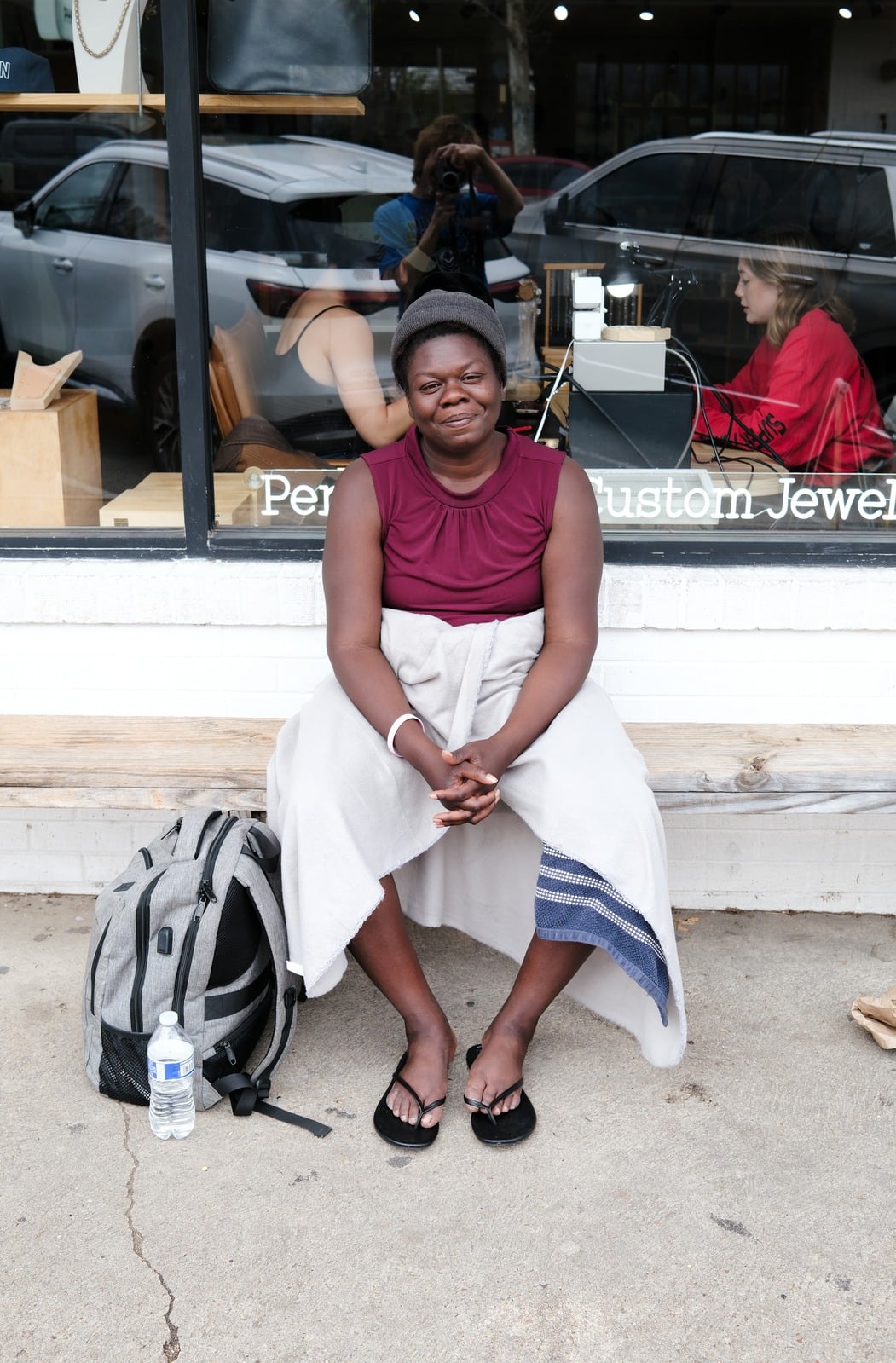
I took this picture in March of 2026. I do not know the subject's name; after I took the photo, she boarded the bus and I have not seen her since. I was initially too shy to ask. The photo ended up being a portrait of her, and, accidentally myself while taking her picture.
I care about the preservation, appreciation, and documentation of a group of people that are otherwise sidelined every single day. While others interact with the homeless populations constantly, there is a major discrepancy between how they see you and you see them. In my experience, they exist in the common perspective as a negative or a ‘not-at-all’. I wish to, with this project, erase the idea of a ‘not-at-all,’ and rehumanize my neighbors, even if a portrait is all I can do.
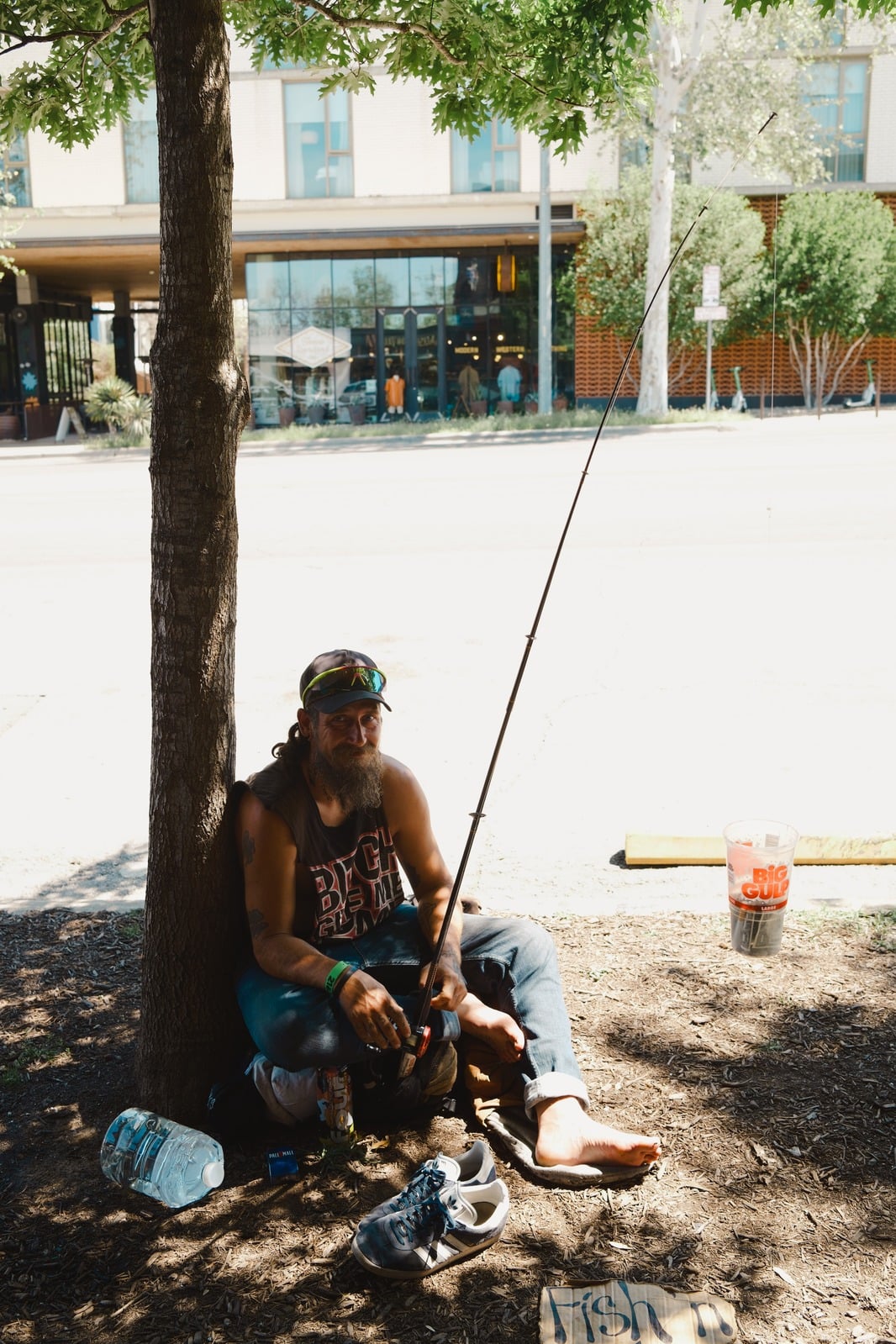
‘Fish’n’ was taken on the side of South Congress in the Fall of 2026. This photo speaks magnitudes to the gap between where South Congress was and what it is becoming in the 21st century amongst rapidly increasing popularity and prices pushing small businesses and quirk (people like this) from the area.
Soco is now a bustling place full of Electric Scooters and expensive name-brand stores. Kendra Scott has opened its second location on the same street, replacing a local business that I myself frequented. ‘Fish’n’ encapsulates a very real issue modern American, like Austin, cities face today.
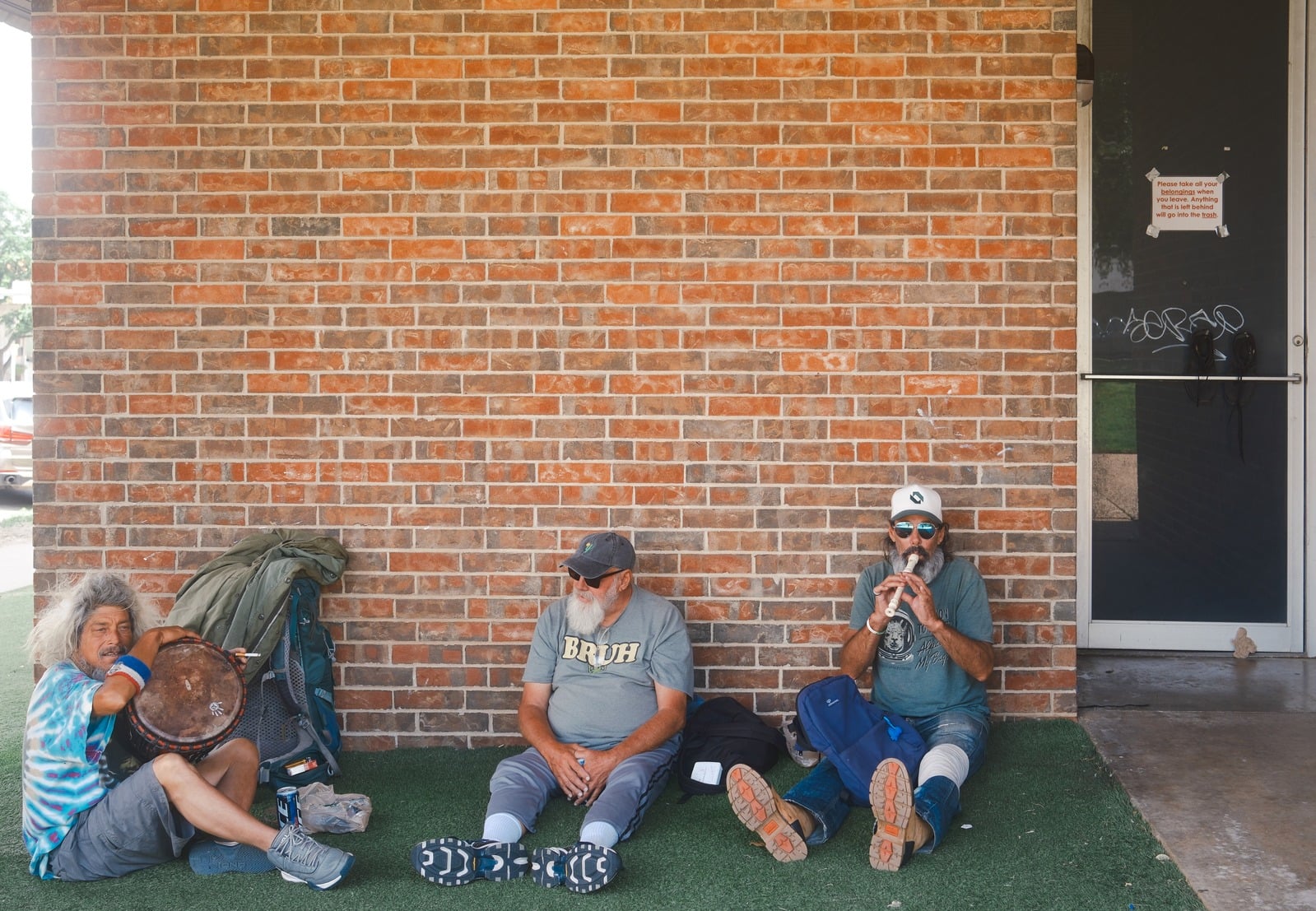
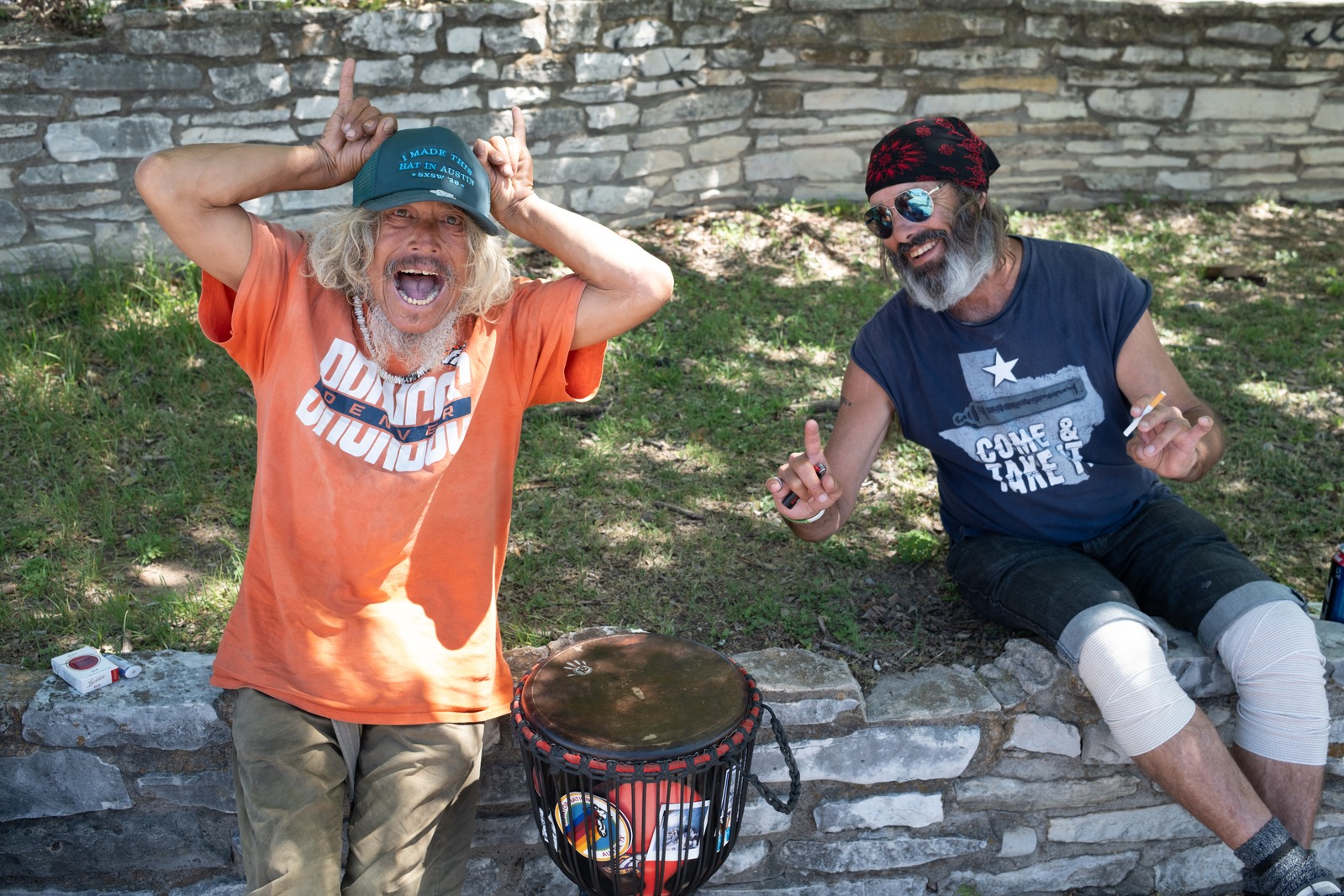
‘Uncle Tony,’ (on the right in both pictures), taught Spanish at Austin High some time ago. He speaks it fluently alongside English and uses it to bilingually connect with the South Congress Community. He also plays a plethora of instruments, performed usually with his group.
We speak frequently, however recently he has moved to the Community First Village.
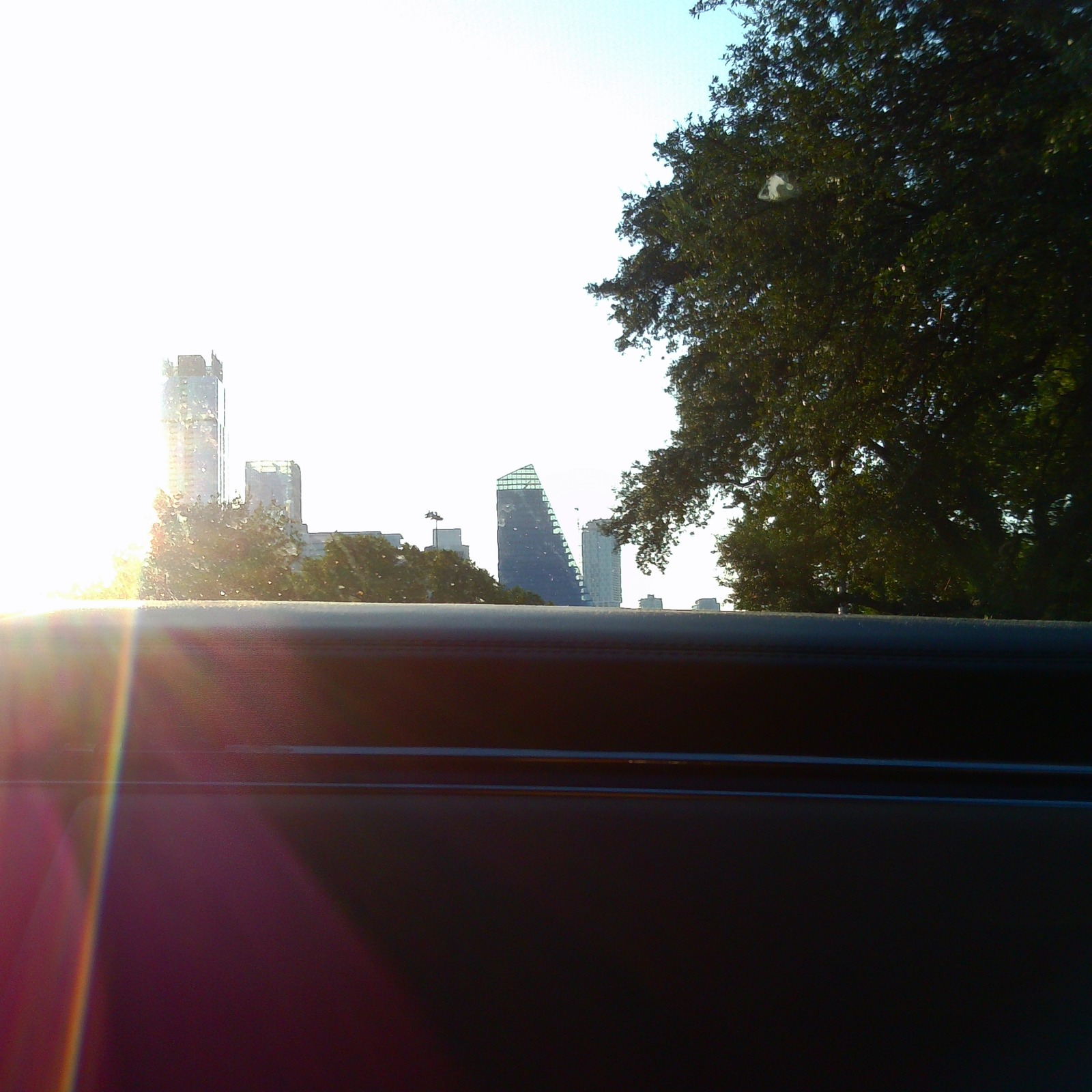

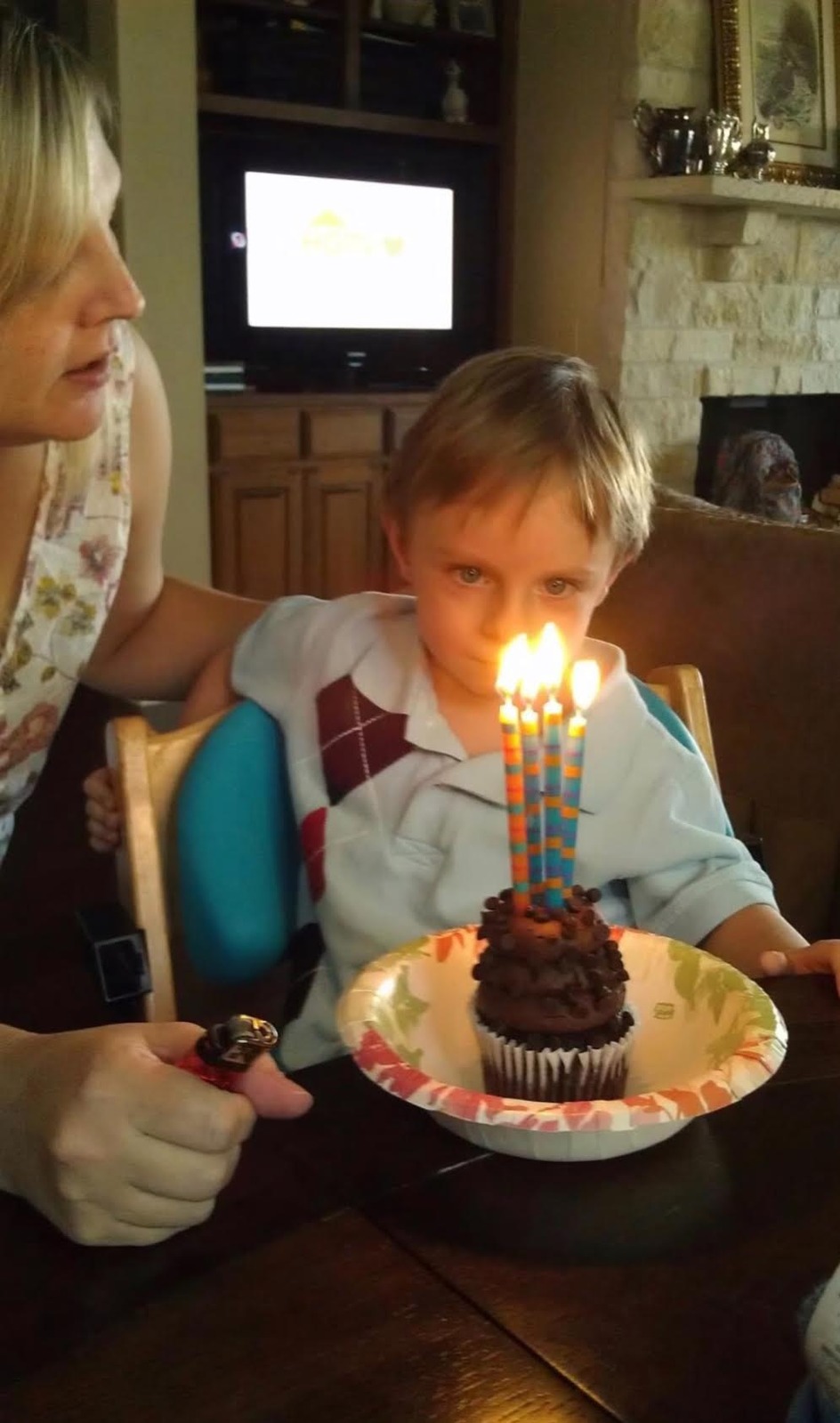
Davis Martin was born in Austin, Texas in the summer of 2009. He grew up with an intense imagination and an equally intense sense of justice. These two things lead him to where he is today; someone committed to providing support to his peers and seeking fairness and equality within society-- through all sorts of means. He is currently developing educational materials to sustain good dialogue among high schoolers on hard topics, specifically amidst our polarized climate. He also, as seen on his main page, has worked with Austin’s community in the odd but useful art of photography. He wishes to emphasize a sense of empathy in his community, and the broader world’s community.
I enjoy reading, writing, visual arts, maps, cinema acting, law, history, community, and conversation.
If you have any questions for me-- maybe even wishes I could help fulfil-- contact me at rdavismartin@gmail.com.